
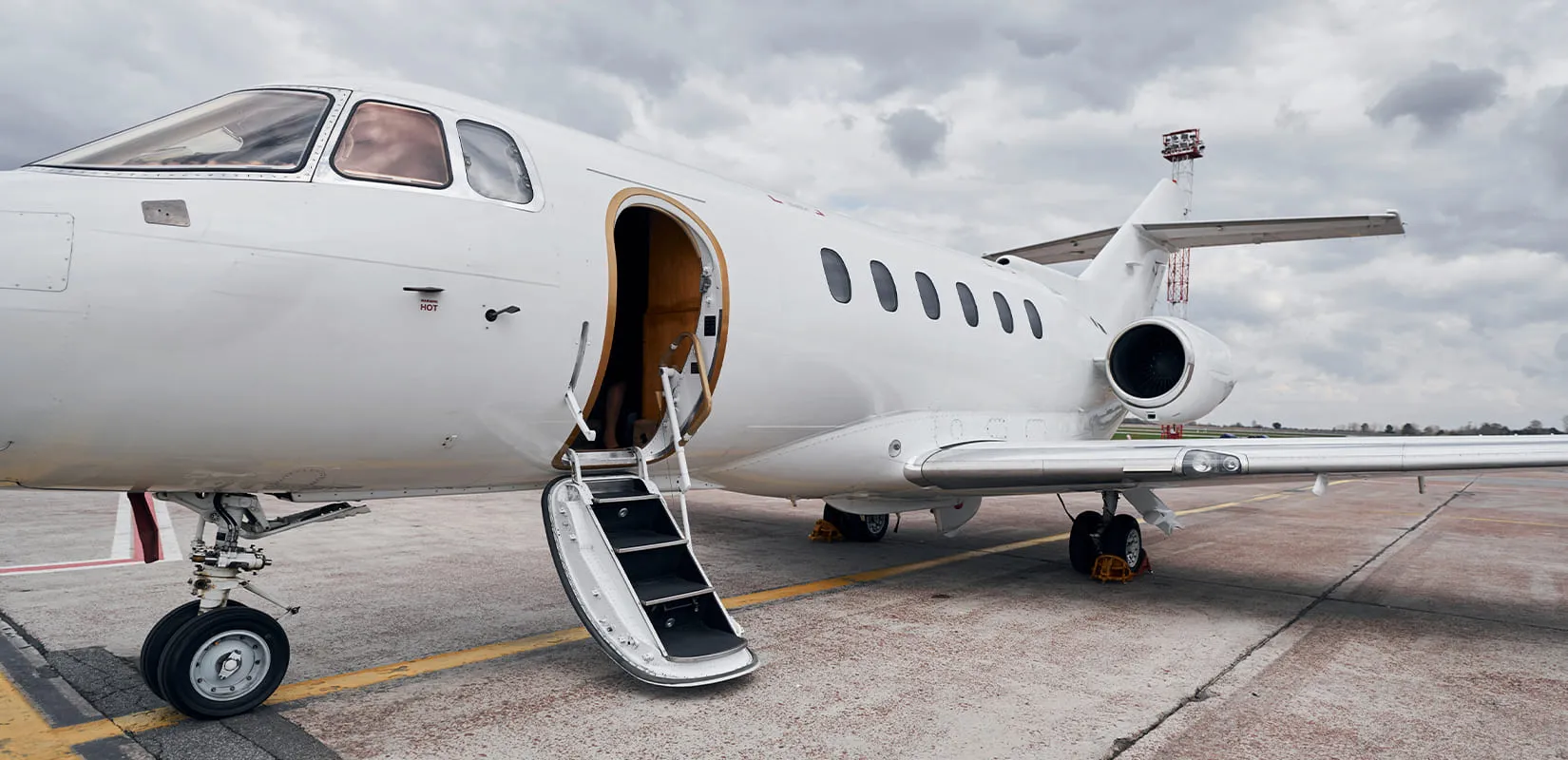
15 Private Jet Features That Completely Change the Flying Experience
Imagine skipping long security lines, departing exactly when you want, and stepping into a cabin designed entirely around your comfort. Private aviation completely alters how people tend to travel, turning what used to be a stressful chore into an enjoyable part of the journey.
While saving time remains a huge advantage, the unique elements inside the cabin truly redefine the entire trip. Modern private aircraft feature remarkable engineering and design details that enhance relaxation and productivity. These details transform long hours in the air into a smooth, seamless tradition between your origin and destination. Let us explore fifteen specific features that have the capability to alter your flight experience for the good.
Complete Cabin Air Renewal
Standard aircraft recycle air to save energy, which often leaves passengers feeling fatigued and dry after a long journey. Modern private aircraft use systems that completely refresh the cabin air every two minutes. This setup brings fresh air from the outside directly into the cabin after passing through high-efficiency filtration systems.
Because the air constantly circulates and stays clean, passengers arrive at their destination feeling alert and hydrated. It removes the stale environment typical of commercial travel, making a massive difference on long intercontinental flights.
Low Cabin Altitude Pressurization
Why you fly high, aircraft cabins stimulate an altitude to keep you comfortable. Commercial planes usually stimulate an altitude of 8000ft. However, advanced private jets keep the cabin pressure much lower, often around 3000 to 4500 ft, even when cruising very high in the sky.
This lower simulated altitude means your body absorbs oxygen more efficiently, which significantly reduces physical fatigue. You tend to avoid the typical sluggishness, headaches, and physical drain associated with high-altitude level, allowing you to walk off the plane ready for meetings or activities.
Advanced Sound Dampening Insulation
Engine noise and wind shear create a constant hum that tires your brain during long trips. Private air manufacturers use advanced acoustic insulation materials and place engines further back on the fuselage to lower interior noise levels.
The resulting cabin remains remarkably quiet, measuring close to the decibel level of a quiet suburban living room. This silence allows passengers to speak in normal conversational tones without straining, enjoy music clearly, or sleep deeply without the disruptive roar of standard jet engines.
Fully Flat Beds and Dedicated Staterooms
While commercial first-class seats fold down, they often leave you exposed to a public aisle. Private jets tend to feature that convert into completely flat beds, and larger models offer separate, private staterooms with full-sized beds.
1.Seat Adjustment: 1 minute.
The passenger uses a digital panel to slide and track the seat away from the cabin wall.
2.Flat Conversion: 2 minutes.
The mechanical components extend the leg rest and lower the backrest until it aligns flat.
3.Bespoke Bedding: 2 minutes.
Flight attendants add a custom mattress layer, plush sheets, and down pillows for rest.
Tailored Acoustic and Media Zones
Large private jets divide the interior into distinct cabin zones so passengers can enjoy different activities simultaneously. One section can serve as a quiet workspace, while another operates as an entertainment area.
Surround-sound systems focus audio directly into specific seating clusters. This type of engineering allows someone to watch a high-definition movie with full theatre sound in the lounge area while another passenger sleeps soundly just a few feet away in the next section without any noise disruption.
Full-Size Showers and Spacious Lavatories
Long-haul travel often leaves people wishing for a quick refresh before landing. Mid-size and large private jets include spacious lavatories, and ultra long-range models feature full-size, walk-in showers with hot running water.
Refreshing yourself with a warm shower at 40,000ft completely changes your mindset. It removes the grime of travel, allowing you to transition directly from your flight to an important dinner or a formal presentation without stopping at a hotel first.
Custom Kitchen Galley and Fresh Dining
Commercial planes rely on pre-packaged meals cooked hours beforehand and reheated in convection ovens. Private jet galleries feature microwave ovens, steam ovens, refrigerators, and also wine chillers that allow a flight attendant to prepare fresh meals.
Private Jet vs. Commercial Aircraft Dining
| Feature | Private Jet Galley | Commercial Aircraft Galley |
|---|---|---|
| Oven Type | Steam and microwave ovens | Standard convection ovens |
| Preparation | Freshly prepared or finished | Reheated pre-packaged trays |
| Ingredients | Selected by passenger choice | Fixed menu options |
| Storage | Dedicated chillers and freezers | Dry ice carts |
High-Speed Ka-Band Satellite Connectivity
Staying connected remains essential for business and personal communication. Private jets use advanced Ka-band satellite systems that provide stable, high-speed internet access across oceans and continents.
Passengers can stream video presentations, conduct video conferences, download massive files, and also run business operations without lag. This connection replicates your office internet speed, ensuring that a flight does not create a data blackout or pause your daily productivity.
Natural Lighting via Oversized Windows
Small windows on commercial planes tend to restrict natural light, which can disrupt your internal clock. Private jets feature significantly larger windows, and more of them, flooding the cabin with natural daylight.
This abundance of natural light makes the cabin feel much larger and more open. It helps your body track the time of day naturally, which reduces the impact of crossing time zones and makes the entire environment feel connected to the outside world rather than enclosed.
Direct App-Controlled Cabin Systems
Passengers don’t need to call an attendant or fumble with wall panels to adjust their environment. Modern cabins connect directly to your personal smartphone or tablet through a dedicated local application.
With a single tap on your screen, you can dim the window shakes, adjust the ambient LED lighting colors, change the cabin temperature, or browse the media library. This control provides a seamless personalized environment tailored to your immediate comfort preferences.
Precision Motion Ergonomic Seating
The seats inside private cabins tend to undergo extensive ergonomic design processes. They don’t just slide forward and backward; they swivel 180 degrees, track sideways into the aisle, and recline at precise angles to support your posture.
This flexibility allows passengers to face each other for a face-to-face meeting or a shared meal, then shift outward for private relaxation. The support structure reduces pressure points on your body, preventing stiffness during extended periods of sitting.
Boarding Accessibility and Flexible Baggage
Commercial travel requires checking bags and waiting at carousels, which carries the risk of lost luggage. Private aircraft allow passengers to walk directly from the vehicle onto the plane, with bags loaded into accessible compartments.
Many aircraft feature baggage areas accessible directly from inside the cabin during the flight. If you need a different jacket, a specific document, or a change of shoes, you simply walk to the rear compartment and retrieve at any time.
Smart Dynamic Cabin Lighting
Rapidly crossing time zones confuses the human body, resulting to a jet lag. Private jets address this issue by installing programmable LED lighting arrays that alter color temperatures throughout the flight.
The system mimics natural daylight patterns by emitting cool, bright light during work periods to enhance alertness, and warm, amber tones as sleep approaches. This gradual transition prepares your biological clock for the destination time zone, minimizing post-flight exhaustion.
Advanced Turbulence Reduction Technology
Rough air causes anxiety and interrupts work or sleep. Certain modern private jets feature active control systems that detect aerodynamic changes and automatically adjust structural flaps in milliseconds to counteract turbulence.
This technology dampens the impact of choppy air, smoothing out bumps before passengers even feel them. It ensures a stable ride, allowing you to write, drink a beverage, or sleep peacefully without sudden, jarring movements.
Flexible Destination Airport Access
Large commercial airliners require massive runways, limiting them to major international transport hubs. Private jets can land on much shorter runways, opening access to thousands of smaller regional airports worldwide.
This feature allows you to land much closer to your final destination, bypassing crowded city traffic and long ground transport times. It maximizes the efficiency of your itinerary, ensuring that your flight lands exactly where you need to be.
The modern flight experience relies on thoughtful design, precise environmental control, and advanced passenger utilities. These fifteen features work together to create a calm, efficient, and relaxing space in the sky. By addressing noise, air quality, lighting, and connectivity, private aviation transforms travel from a tiring necessity into an asset that enhances your lifestyle and business day.